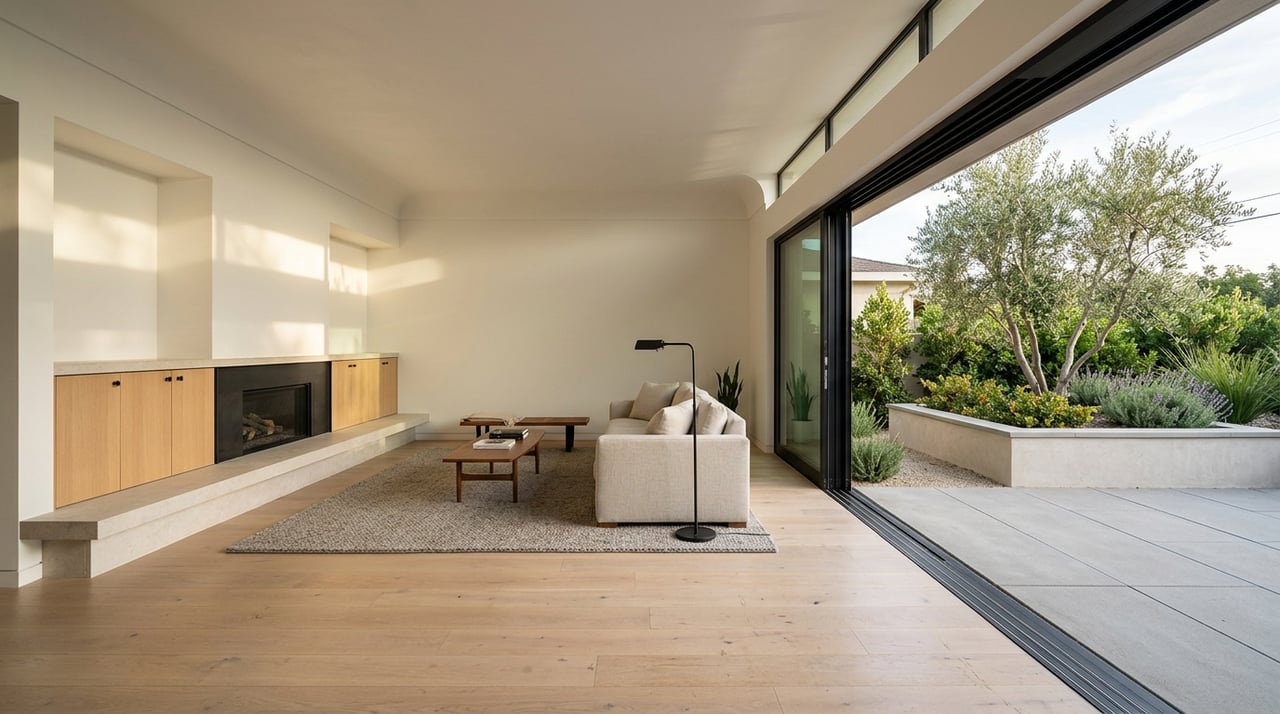
If stairs are starting to feel like a daily hassle, or you simply want a home that lives a little easier, a single-level home in Pleasanton may be worth a closer look. Many buyers are drawn to one-story living for comfort, convenience, and long-term flexibility, but finding the right fit takes more than checking a box in a search filter. Here’s what to know about where these homes tend to show up, what floor plans to expect, and how to shop smart in Pleasanton’s competitive market. Let’s dive in.
Why single-level homes stand out in Pleasanton
Pleasanton is a natural place to search for one-story living because its housing profile supports long-term homeownership. Census data shows the city has a median age of 45.5, about 65% owner-occupied households, and two-person households are the most common household size. That combination often lines up with buyers who want a home that feels manageable now and practical for years to come.
The city’s housing stock also helps explain why single-level homes stay in demand. A city housing-element draft says about 60.5% of Pleasanton’s 2020 housing stock was single-family detached. In many cases, that means your best options for a true one-level layout are found in established detached neighborhoods rather than attached communities.
For many buyers, the appeal is simple: easier daily living. Single-level homes can make it easier to move through the home without stairs, and they may be a better match if you are thinking about aging in place or reducing maintenance over time.
Where to look for one-story homes
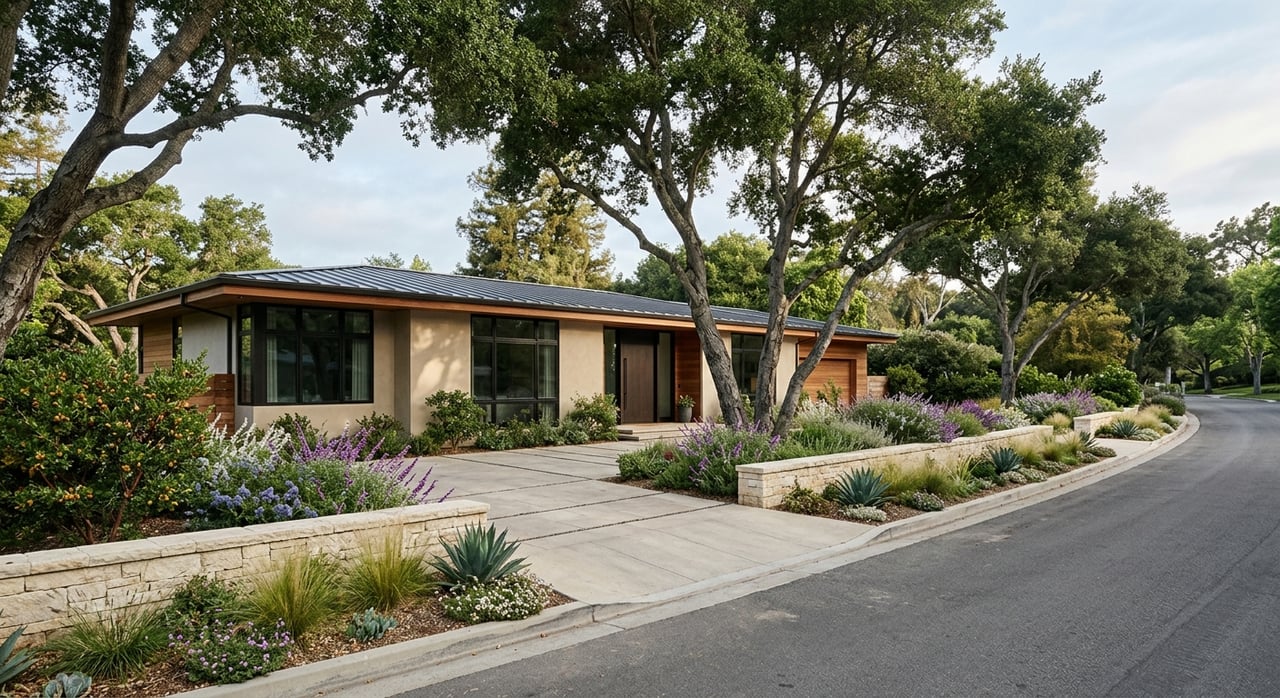
Pleasanton’s older neighborhoods are often the best places to start. The city’s historic housing pattern included small single-story homes in early downtown areas, followed later by postwar single-story ranch houses and other low-profile detached homes. As a result, many one-level opportunities are tied to established resale neighborhoods rather than newer construction.
Several neighborhoods are especially worth watching. Jensen Tract was originally built with single-level ranch-style homes, Amador Estates is mostly single-story homes, and Birdland is known for many single-story ranch homes mixed with some two-story colonials. Pleasanton Valley, built between 1966 and 1974, is another area where one-story options may appear.
Location is part of the appeal. Jensen Tract and Amador Estates sit just blocks from downtown, Birdland is in central Pleasanton, and Pleasanton Valley is also centrally located. If you want a detached home with a more established neighborhood feel, these areas often belong on your list.
Don’t assume every home is one level
This is an important detail in Pleasanton. Even in neighborhoods known for ranch homes, some properties now include second-story additions, remodeled layouts, or newer two-story infill homes. A neighborhood name can point you in the right direction, but it should not be treated as proof of a home’s actual layout.
When you tour homes, verify the story count at the property level. Look closely at listing details, photos, and floor plans. If one-story living is a priority, make sure the home offers true single-level circulation rather than a layout with hidden step-downs or later changes.
Age-restricted options to know
If your goal is simplified living with a detached home format, Pleasanton also has age-restricted options worth knowing about. The city’s Housing Resources page lists The Village at Ironwood as a detached 55+ ownership community. It is marketed with primarily single-story models.
Pleasanton also includes Stoneridge Creek, which the city identifies as a continuing-life community. These options may appeal to buyers who want a housing choice designed around long-term ease of living, though the right fit depends on your goals, budget, and preferred lifestyle.
What floor plans look like in Pleasanton
One of the biggest misconceptions about single-level homes is that they all feel the same. In Pleasanton, they do not. The city’s one-story housing includes everything from older, compact downtown-era dwellings to mid-century ranch homes and larger detached homes in planned communities.
That range shows up clearly in neighborhood size patterns. Jensen Tract homes are roughly 1,100 to 2,000 square feet, while Amador Estates homes run about 1,050 to 1,700 square feet. Pleasanton Valley homes are often about 1,400 to 2,600 square feet, and Ironwood’s single-story models were marketed around 1,900 to 2,700 square feet.
What that means for your search
You may need to balance layout, lot, and updates rather than chase a perfect template. Some buyers prefer a smaller original ranch near downtown, while others want a larger one-level layout with more modern proportions. In Pleasanton, both can exist, but they usually come with different price points, finishes, and tradeoffs.
It helps to decide early what matters most to you, such as:
- True one-story living throughout
- Fewer interior level changes
- Proximity to downtown or central Pleasanton
- Larger square footage
- Lower-maintenance living
- Room for future accessibility updates
Market conditions matter
Pleasanton remains a premium-price market, and that affects the single-level search. As of April 2026, Realtor.com reported 147 homes for sale in Pleasanton, a median listing price of $1,467,500, and median days on market of 26. The same source classified Pleasanton as a seller’s market.
Sold data shows similar strength. Redfin’s April 2026 numbers reported a median sale price of $1,476,737, 108 homes sold, 14 median days on market, an average of four offers, and a 100.9% sale-to-list ratio. While listing data and sold data measure different things, both point to a market where well-priced homes can move quickly.
That is especially important if you are focused on a narrower category like single-level detached homes. These properties may attract buyers looking for convenience, long-term practicality, or a specific neighborhood, which can tighten competition even more.
Neighborhood pricing signals to watch
Inventory in Pleasanton is still concentrated in established parts of town. In Realtor.com’s March 2026 neighborhood data, Vintage Hills had 10 homes for sale, Birdland had 8, Pleasanton Valley had 8, Hacienda had 7, West Vineyard Avenue had 7, Pleasanton Meadows had 6, Val Vista had 6, Downtown Pleasanton had 5, and Pleasanton Heights had 4.
Pricing varies by area. The same data showed median listing prices from $891,500 in Hacienda to $1,540,000 in Downtown Pleasanton. Pleasanton Valley came in at $1,428,500, while Vintage Hills was at $1,498,000.
These figures do not isolate single-story homes, but they do help set expectations by neighborhood. They also align broadly with Census Reporter’s 2024 ACS estimate of a $1,534,600 median owner-occupied home value in Pleasanton. In short, single-level living here can offer real lifestyle value, but it usually comes at a premium market entry point.
A smart checklist for buyers
If you are serious about buying a single-level home in Pleasanton, it helps to be precise. A broad search can surface options, but a more detailed checklist will help you separate homes that merely sound right from homes that truly fit your needs.
Use this checklist as you evaluate homes:
- Confirm the home has true single-story circulation
- Check for interior step-downs or split-level sections
- Review whether additions changed the original layout
- Compare original condition versus updated condition
- Consider whether the current layout works long term
- Factor in the cost of any accessibility improvements
- Weigh the premium for newer one-level homes against improving an older one
Accessibility upgrades may be possible
If you find a home with the right location and layout but a few practical gaps, Pleasanton offers a useful local resource. The city’s Housing Rehabilitation Program can help fund accessibility improvements in owner-occupied homes, including grab bars, railings, and ramps.
That can make an older one-story home more workable for long-term ownership. It also matters because multi-level homes can be harder to retrofit when stairs or missing first-floor features limit flexibility. For some buyers, that makes an existing single-level layout even more appealing.
The bottom line on Pleasanton single-level homes
The best one-level opportunities in Pleasanton tend to cluster in older detached neighborhoods with central locations, along with age-restricted communities designed around easier living. You can find a wide range of sizes and styles, from compact ranch homes to larger detached plans, but inventory is not unlimited and competition can be real.
If you want to buy with confidence, the key is to focus on verified layout, neighborhood fit, and the practical details that matter over time. With the right strategy, you can identify the homes that support both your current lifestyle and your future plans.
If you’re thinking about buying or selling in Pleasanton and want experienced guidance tailored to your goals, connect with the Rita Dhillon Team. We’re here to help you navigate the market with clarity, strategy, and a steady hand.
FAQs
What types of Pleasanton neighborhoods often have single-level homes?
- In Pleasanton, single-level homes are often found in established detached neighborhoods such as Jensen Tract, Amador Estates, Birdland, and Pleasanton Valley, along with age-restricted options like The Village at Ironwood.
What should you verify when buying a single-level home in Pleasanton?
- You should confirm that the property has true one-story circulation, no unexpected interior level changes, and no additions that altered the original layout in a way that affects ease of use.
How competitive is the Pleasanton housing market for buyers?
- Pleasanton is currently considered a seller’s market, with April 2026 data showing median listing prices around $1.47 million and sold homes moving relatively quickly.
Are there accessibility improvement resources for Pleasanton homeowners?
- Yes. Pleasanton’s Housing Rehabilitation Program can fund certain accessibility improvements in owner-occupied homes, including grab bars, railings, and ramps.
Are all ranch-style homes in Pleasanton truly single story?
- No. Some neighborhoods that began with single-level ranch homes now include two-story homes, additions, or infill properties, so each home should be verified individually.