Wondering how to prepare a large Diablo property for sale without turning the process into a full remodel? You are not alone. Many sellers, trustees, and long-time owners want a plan that protects the home’s value, respects local requirements, and keeps the listing process organized. The good news is that the smartest approach is usually not doing more work. It is doing the right work in the right order. Let’s dive in.
Start With Diablo-Specific Planning
Diablo is an unincorporated community in Contra Costa County, which means county government handles planning and building questions. That matters when you are getting a home market-ready, especially if you are considering exterior repairs, landscape changes, grading, or visible updates.
Diablo also has a distinct historic context. Contra Costa County identifies the Diablo Historic District as covering the entire Diablo area, and the county notes that many historic buildings are located there. If you are thinking about changing exterior elements, it is wise to check with county planning before work begins.
For some sellers, this step feels slow. In practice, it often saves time. You can avoid doing work that may need review, revision, or permits after the fact.
Why sequence matters in Diablo
In many neighborhoods, sellers can jump straight into cosmetic updates. In Diablo, a better strategy is to confirm approvals first, then move into repairs and presentation. That is especially helpful when the property has mature trees, a long driveway, substantial hardscape, or older exterior features.
Contra Costa County also notes that some homeowner associations may have added project-review requirements. If your property is subject to any local review process, it is better to know that upfront before contractors start.
Focus on Exterior-First Improvements
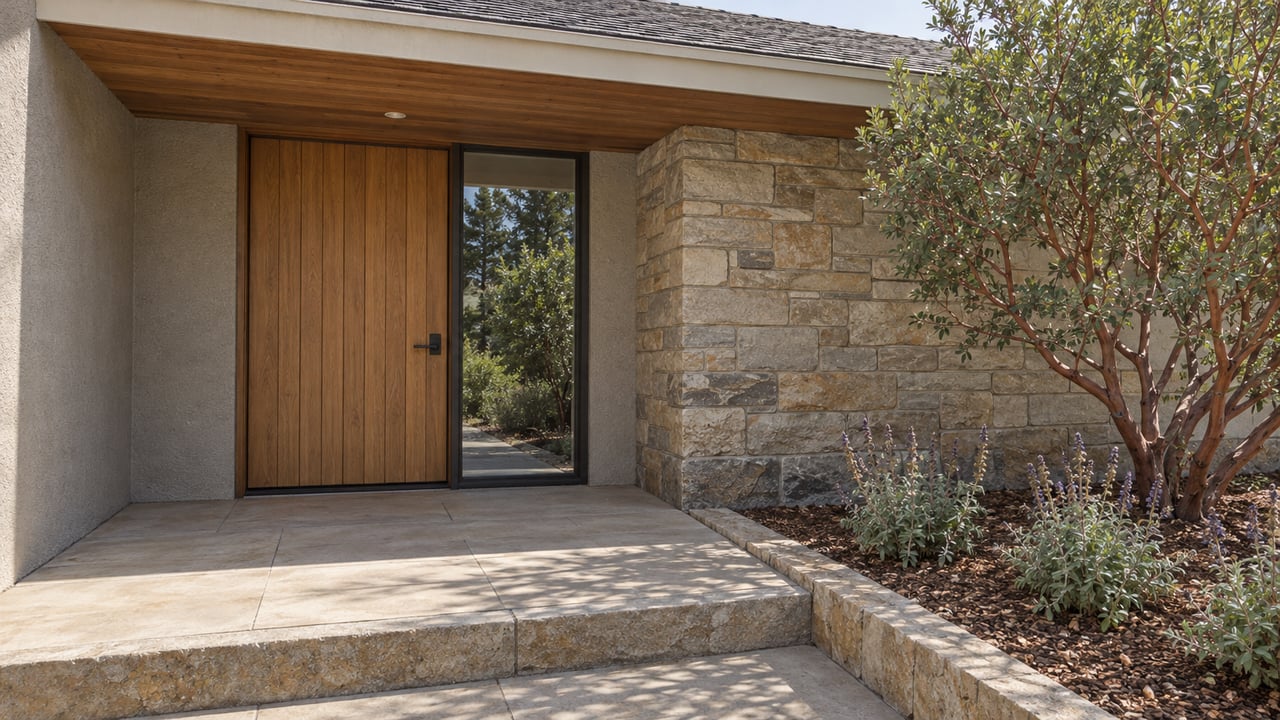
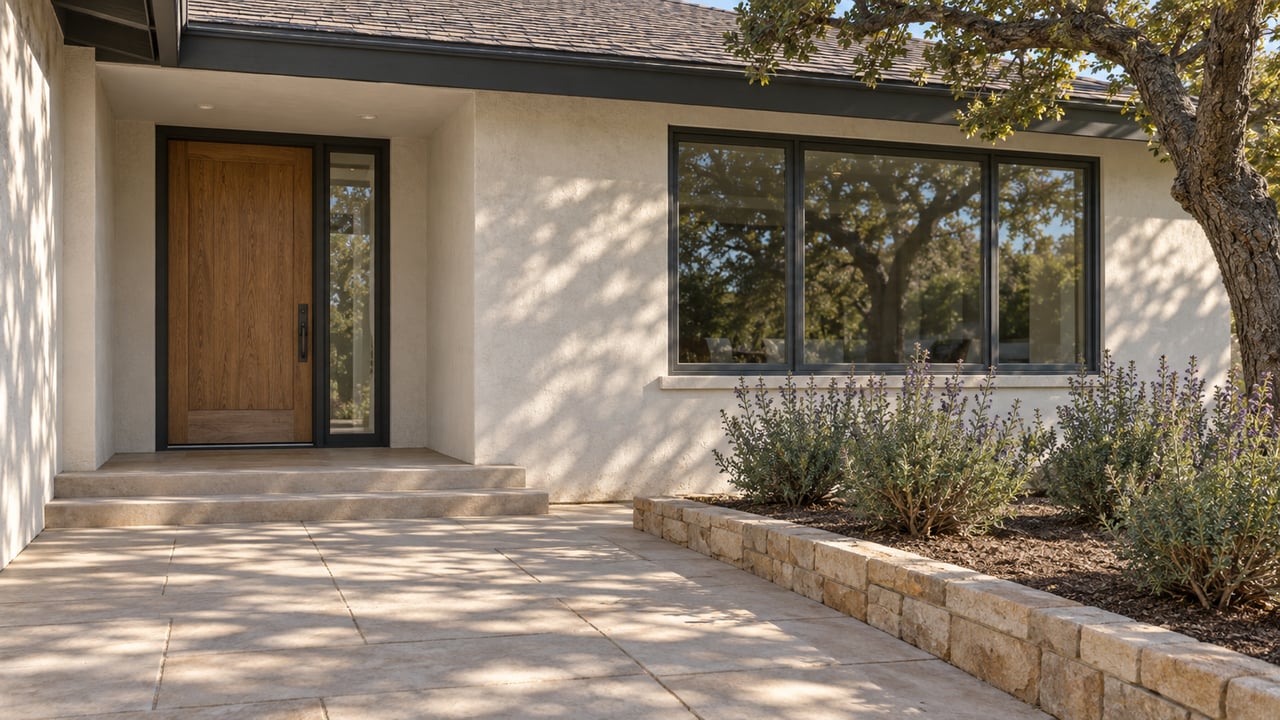
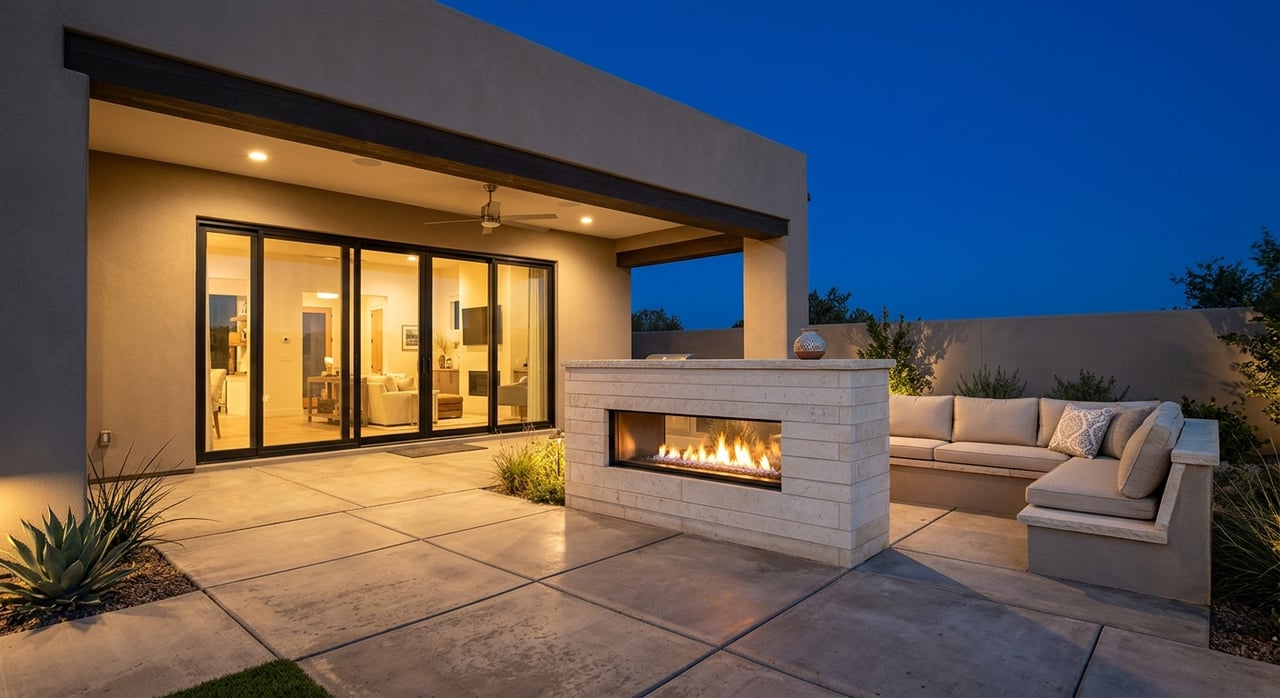
For an estate-style Diablo home, buyers usually form their first impression before they ever step inside. The approach to the property, the condition of the driveway, the roofline, the entry, the windows, the gutters, the fencing, the lighting, and the landscape edges all shape that first reaction.
A clean, well-kept exterior presentation is one of the most effective ways to improve market readiness. That does not always mean major spending. Often, it means creating a cared-for look that feels intentional from the street to the front door.
Prioritize the approach and entry
Start with the arrival experience. If your home has a long drive, gates, guest parking area, or a formal front walk, make sure those elements feel clean, navigable, and maintained.
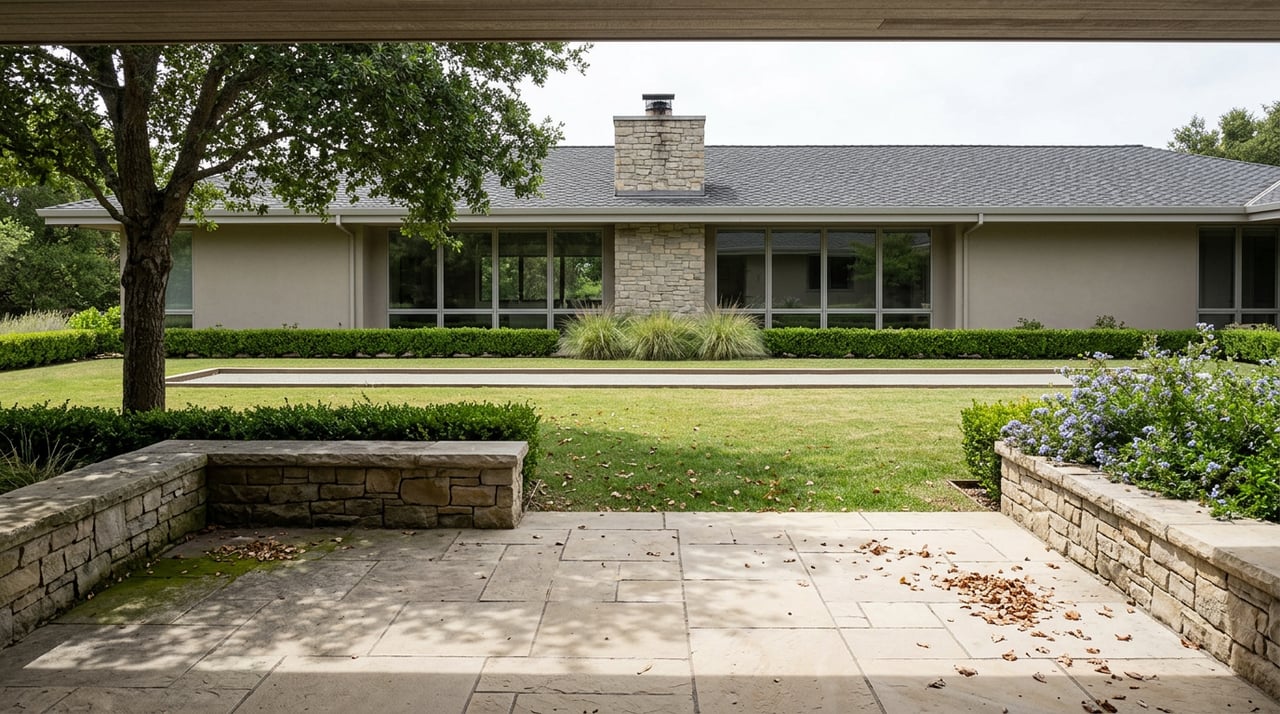
Look for cracked hardscape, uneven landscape edges, worn lighting, overflowing gutters, and fencing that needs repair. Even small issues can make a large property feel less polished than it is.
Review roofline, windows, and drainage
On larger homes, deferred maintenance often shows up high and far from eye level. Roof edges, fascia, gutters, and upper windows can quietly affect how buyers perceive the whole property.
Before listing, it helps to address visible wear, clean glazing, and make sure drainage elements look functional and tidy. Buyers notice signs of maintenance, even if they cannot name every component.
Account for Wildfire Preparation Early
In Diablo and the surrounding hills, wildfire preparation is not just a seasonal chore. It can also affect listing preparation, inspections, and buyer confidence. California wildfire guidance emphasizes two connected strategies: home hardening and defensible space.
CAL FIRE guidance starts with an ember-resistant first five feet around the home, then a cleaner, lower-fuel zone out to 30 feet, followed by continued fuel reduction out to 100 feet. For a larger parcel, that can shape how you prioritize landscape cleanup before going live.
Build your prep list around defensible space
If your lot includes slope, mature plantings, or broad perimeter areas, organize your exterior work with wildfire readiness in mind. This can include removing excess vegetation near the home, reducing combustible material in key zones, and cleaning up overgrown areas that make the property feel unmanaged.
Contra Costa Fire also administers weed abatement, defensible space, and AB38 real property transfer inspections. If your parcel falls within Contra Costa Fire’s jurisdiction and a High or Very High Fire Severity Zone, the district says an AB38 inspection should be requested before closing. After the application is processed and the fee is paid, scheduling can take up to five working days.
Don’t overlook tree rules
Many Diablo properties include mature trees, and those trees can be a major asset in marketing. They can also trigger review requirements if you plan to remove them or work within the dripline.
Contra Costa County code enforcement states that certain trees are protected in unincorporated areas and that a permit is required to cut down or work within the dripline of a protected tree. If tree trimming, removal, or grading is part of your prep strategy, check county rules first.
Move Inside With a Buyer’s Eye
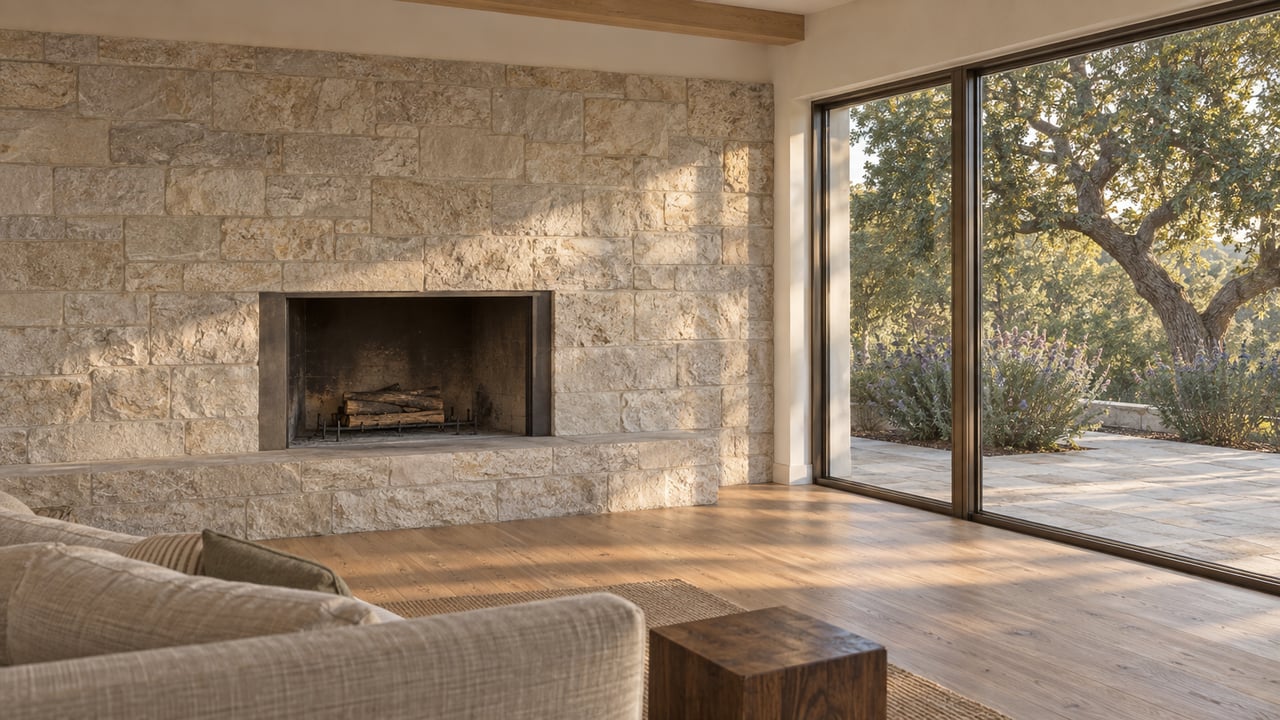
Once the exterior is under control, shift your focus indoors. For estate-style homes, buyers tend to respond best when rooms feel bright, open, and easy to understand.
That usually means addressing obvious defects, reducing clutter, and removing anything that makes rooms feel smaller or darker. The goal is not to erase personality. It is to help buyers see scale, light, and flow.
Fix what buyers will question
You do not need to overhaul every room before listing. You do want to eliminate the issues that create hesitation.
That can include small repairs, worn finishes that read as neglect, doors or windows that do not operate smoothly, and dated fixtures that distract from the home’s overall quality. A pre-sale inspection can help simplify the sale process by identifying issues before a buyer does.
Stage the rooms that matter most
Staging continues to have measurable market impact. In the 2025 NAR survey, 29% of agents said staging led to a 1% to 10% higher dollar value offered, and 49% said staging reduced time on market.
The most commonly staged rooms were the living room, primary bedroom, dining room, and kitchen. For a larger Diablo property, those are often the spaces that set the emotional tone of the home and anchor the marketing photos.
Organize Inspections and Disclosures Early
One of the best ways to reduce friction during escrow is to start gathering information before the home hits the market. In California, that means thinking about inspections, reports, and disclosure timing as part of pre-listing prep rather than as a last-minute task.
California’s Transfer Disclosure Statement describes property condition and must be delivered as soon as practicable before transfer of title. The Natural Hazard Disclosure Statement is also required for designated hazard zones before transfer.
Use reports to support your disclosures
California guidance also notes that expert reports can serve as substituted disclosures when the subject matter is the same. For sellers, that can be useful when you are organizing inspections, contractor findings, and repair documentation ahead of listing.
This does not replace the required forms. What it does is help create a more complete and orderly package for buyers.
Be thoughtful with older homes
If the home was built before 1978, federal lead disclosure rules apply. Renovation, repair, or painting in older homes can create hazardous lead dust if lead-based paint is present.
If you are preparing an older Diablo property for sale, use lead-safe practices during prep work and disclose any known lead hazards. This is especially important if your market prep includes paint touchups, sanding, or repair work.
Hire Licensed Vendors and Keep the Paper Trail
For most sellers, the easiest mistake is hiring too quickly. In California, a state license is required for projects that need a building permit or for work valued at $1,000 or more in combined labor and materials.
Before hiring, verify the contractor’s license status, business address, phone number, insurance, and bond. This helps protect you during the prep process and supports a smoother transaction later.
Follow a clean prep sequence
For Diablo sellers, the most efficient order is usually:
- Confirm permit and approval needs
- Check for any HOA review requirements
- Complete landscape, tree, and exterior repair work
- Finish interior repairs and touchups
- Schedule inspections and gather reports
- Deep clean the property
- Stage key rooms
- Photograph and launch marketing
This sequence keeps you from staging around unfinished work or photographing a home before the prep story is complete.
Build a seller packet
A well-prepared seller packet can make a large property feel more transparent and better managed. For a Diablo estate-style home, that packet may include:
- Permits pulled for exterior or interior work
- Tree approvals, if applicable
- Inspection reports
- Contractor invoices
- Warranties
- California disclosure forms
This kind of documentation helps show that the home was prepared deliberately, not hurriedly.
Think Coordination, Not Just Cosmetics
The biggest win for most Diablo sellers is not a dramatic remodel. It is strong coordination. When you sequence work properly, respect county requirements, use licensed vendors, and finish with staging and presentation, the home is far more likely to come to market in a calm and credible way.
That matters even more for trustees, absentee owners, relocating households, and long-time owners handling a legacy property. A clear plan reduces stress, limits surprises, and helps your home present at its full potential.
If you are preparing a Diablo home for sale and want experienced guidance on pre-sale repairs, staging, vendor coordination, and launch strategy, the Rita Dhillon Team can help you create a smart plan from start to finish.
FAQs
What should you do first when preparing a Diablo home for market?
- Start by checking whether any planned exterior work, grading, tree work, or visible changes require county review or permits in unincorporated Contra Costa County.
Why is exterior prep so important for an estate-style Diablo property?
- Exterior presentation shapes the first impression, and the biggest visible wins often come from the approach, entry, driveway, roofline, windows, gutters, lighting, fencing, and landscape edges.
Do Diablo sellers need to think about wildfire preparation before listing?
- Yes. CAL FIRE guidance emphasizes home hardening and defensible space, and some properties in Contra Costa Fire’s jurisdiction may also need an AB38 real property transfer inspection before closing.
Can you remove or heavily trim trees during Diablo listing prep?
- Not always. Contra Costa County states that certain trees are protected in unincorporated areas, and permits may be required to remove a tree or work within its dripline.
Which rooms should you stage in a larger Diablo home?
- The rooms most commonly staged are the living room, primary bedroom, dining room, and kitchen, which are often the most important spaces for photos and buyer perception.
What paperwork should you gather before listing a Diablo estate-style home?
- A strong pre-listing packet can include permits, tree approvals if needed, inspection reports, contractor invoices, warranties, and required California disclosure forms.