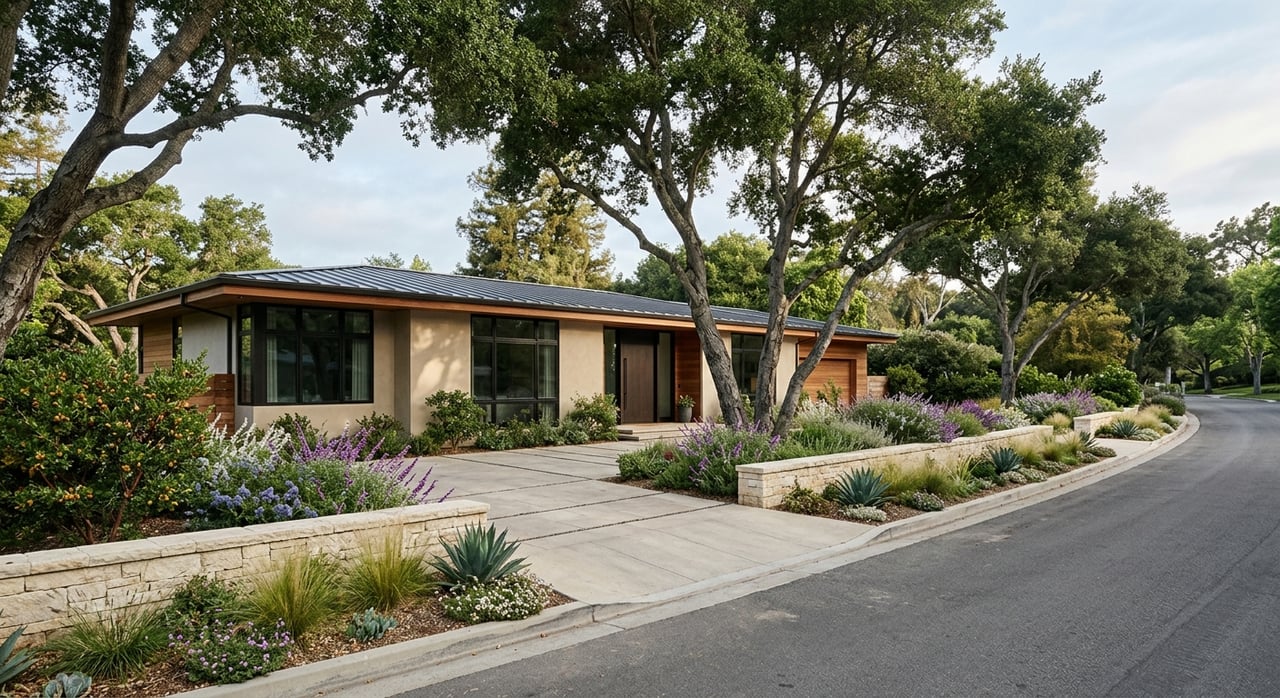
If you are drawn to luxury that feels established rather than showy, Diablo deserves a closer look. This small Contra Costa County enclave offers privacy, scale, and a sense of history that can be hard to find in more built-up communities nearby. In this guide, you will get a practical orientation to Diablo’s setting, housing character, lifestyle anchors, and what makes it distinct within the San Ramon Valley. Let’s dive in.
Where Diablo Fits
Diablo is an unincorporated community in Contra Costa County on the western slopes of Mount Diablo, east of Alamo and northeast of Danville. County planning materials place it among the communities north of Danville, which helps explain why many buyers experience it as part of the broader luxury corridor rather than as a stand-alone town center.
That context matters when you start comparing locations. Diablo is not trying to function like a downtown-driven town with dense retail, civic buildings, and a busy street grid. Instead, it reads as a small residential enclave with a more tucked-away feel.
Why Diablo Feels So Private
One of the clearest reasons Diablo feels quiet is its scale. The community covers about 1.36 square miles of land, and the 2020 Census counted 1,255 residents and 455 housing units. That works out to roughly 920 residents per square mile, which supports the low-density atmosphere many buyers notice right away.
County materials also estimate about 400 homes in Diablo. Combined with the community’s estate-style pattern, that creates a setting where homes, roads, trees, and open space tend to feel more spacious than in many surrounding areas.
Privacy here is also shaped by how the community is organized. Diablo has the Diablo Property Owners Association, the Diablo Municipal Advisory Council, and the Diablo Community Services District, which was formed in 1969 to provide security services and maintain roads, culverts, bridges, and Kay’s Trail. That structure gives Diablo a managed, residential-enclave feel rather than the feel of a conventional subdivision.
Diablo’s History Still Shapes It
Diablo’s character is not accidental. County history traces the community to Oakwood Park Stock Farm, which Robert Noble Burgess purchased in 1912 before reshaping it into a family-oriented summer-home community. The golf club dates to 1914, and the post office dates to 1916.
That early history still shows up in the built environment. County materials note that about 60 early homes are on the historic resources inventory, and the county’s Historic Resources Inventory includes the Diablo Historic District along with contributing properties such as a 1916 Alameda Diablo residence and a 1925 English Tudor home.
For you as a buyer or homeowner, that legacy can translate into something meaningful. Diablo often feels layered and established, with architecture and landscape that have had time to mature together rather than being created all at once in a newer development.
What Quiet Luxury Means Here
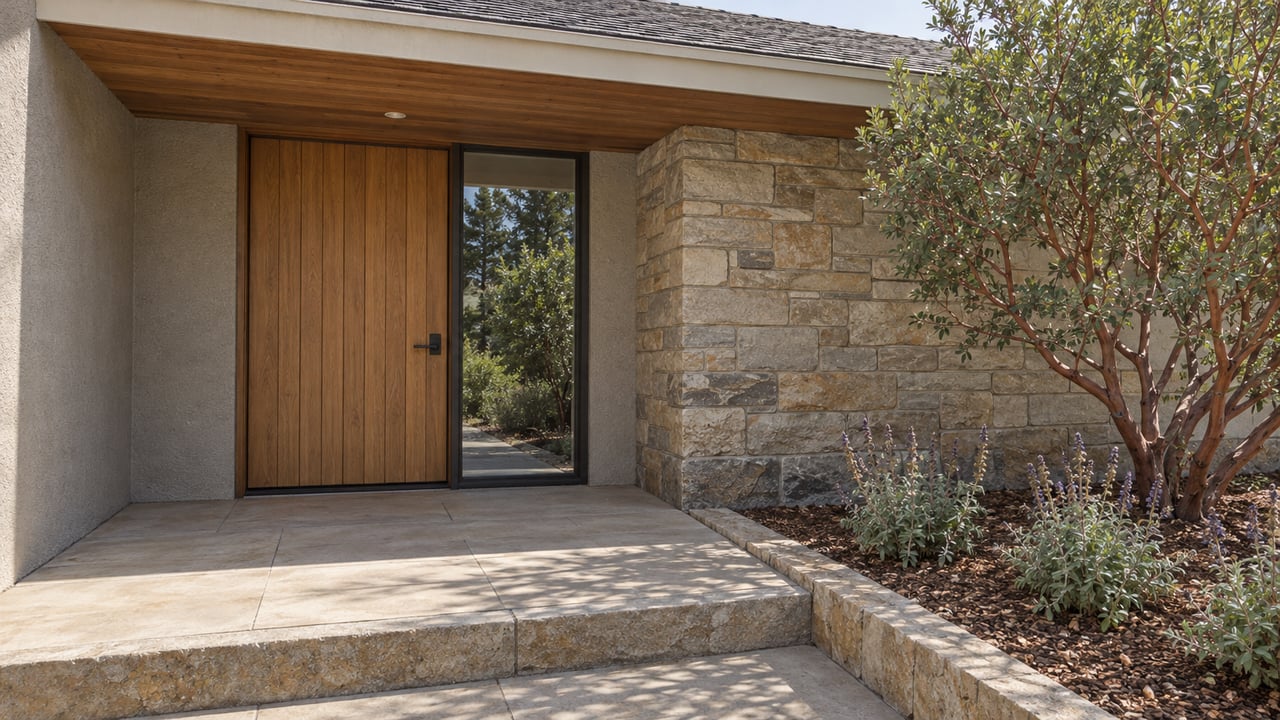
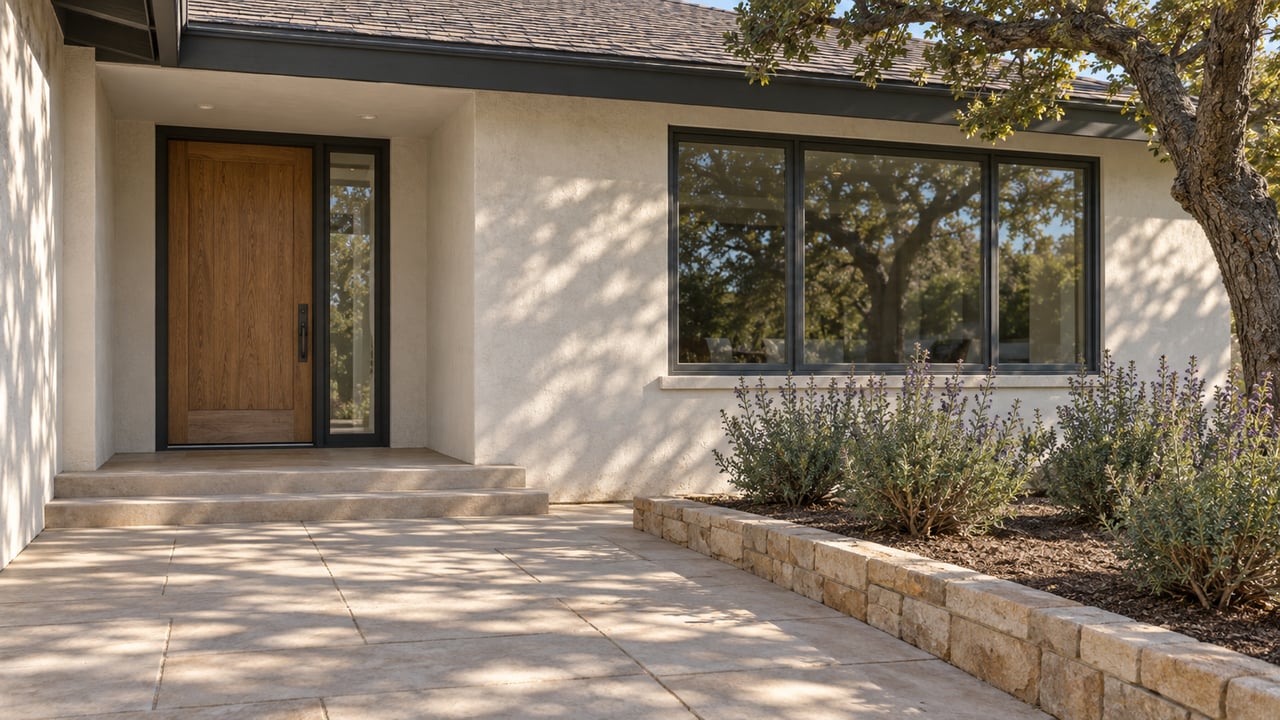
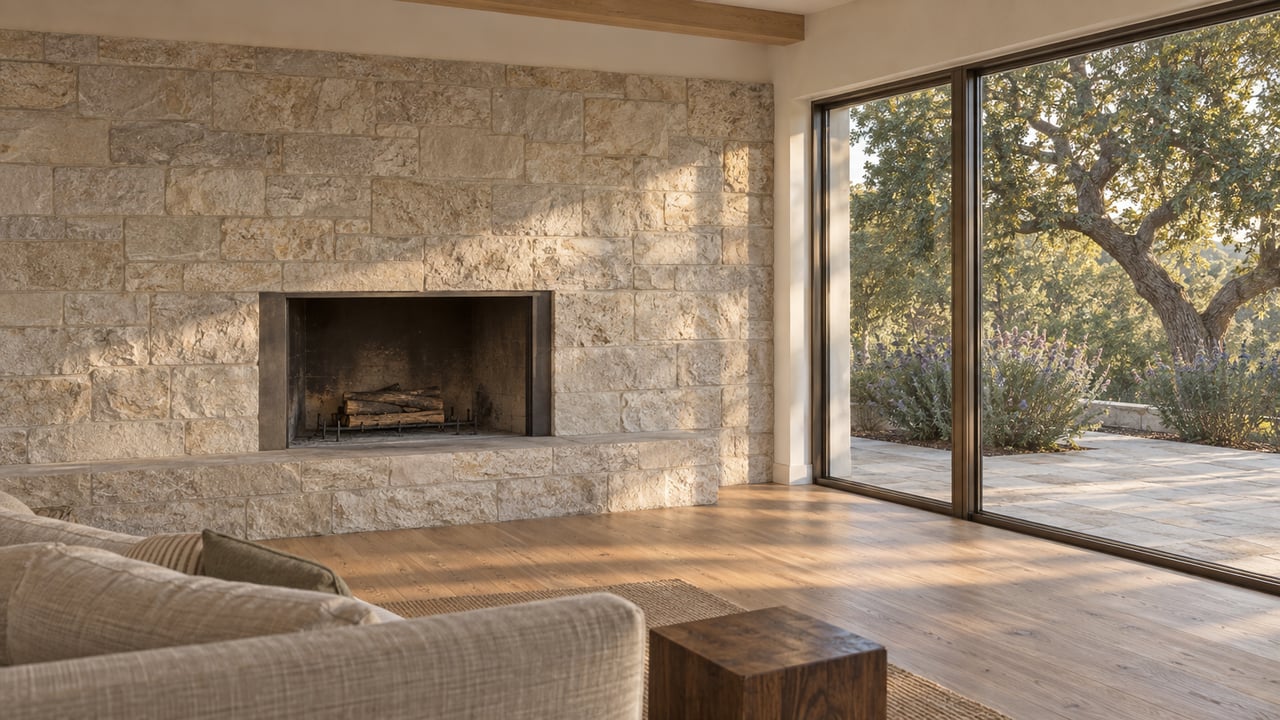
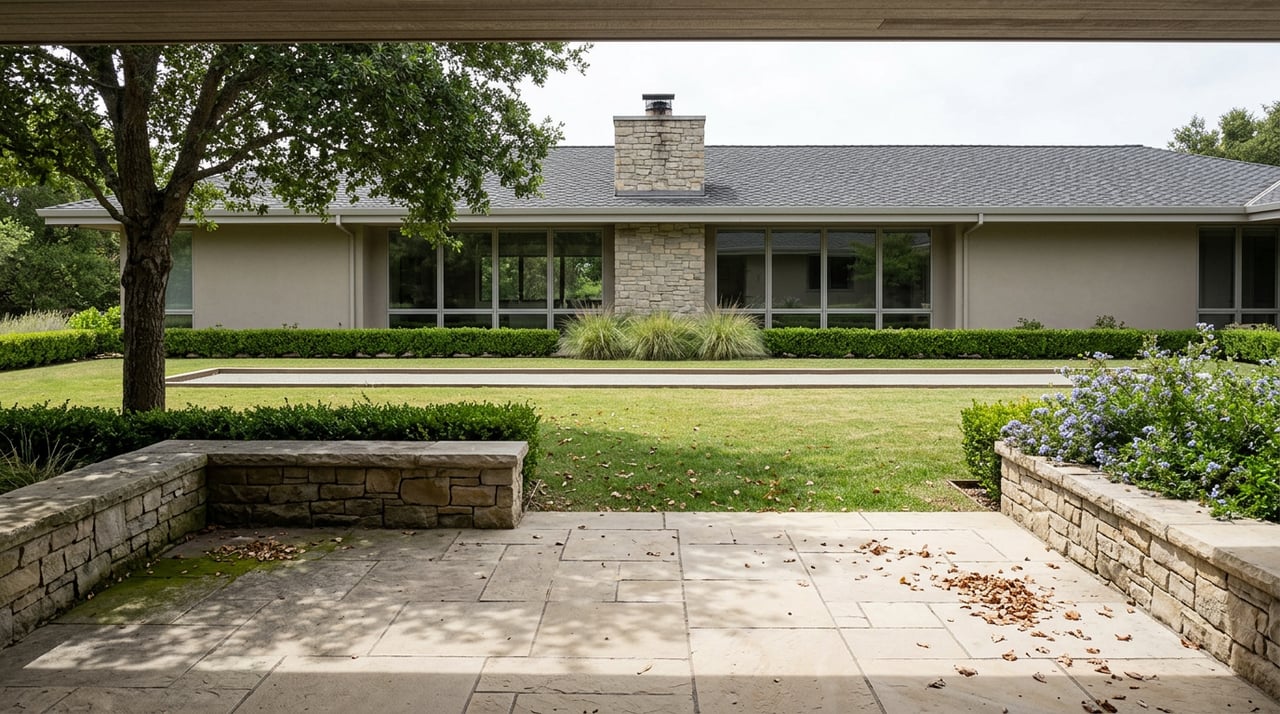
In Diablo, quiet luxury is less about flash and more about setting. County materials describe the community as one of Contra Costa’s most desirable residential areas, known for elegant homes, large lots, stately oak trees, and the historic Diablo Country Club.
The homes span a variety of architectural styles, which helps the neighborhood avoid a uniform or overly manufactured feel. Instead of a one-style streetscape, you are more likely to see a mix shaped by the area’s long history and estate-scale pattern.
This is also a market where the numbers support the impression. Contra Costa County’s 2024 community profile puts Diablo’s average home price at $3.18 million, with a median household income of $194,479 and a median age of 56. Paired with only 455 housing units counted in the 2020 Census, those figures point to a small, high-value community where inventory may be limited.
Lifestyle Anchors in Diablo
Diablo Country Club
Diablo Country Club is central to the neighborhood’s identity. Its current club materials highlight golf, racquets, fitness and aquatics, dining, events, and a boutique-style club culture.
Even if you are just starting your search, it helps to understand that the club is not simply nearby. It is part of the way many people understand Diablo as a place to live, gather, and build routines.
Mount Diablo Access
Outdoor access is another major part of daily life here. Mount Diablo State Park offers summit views, hiking trails, and access points at South Gate Road and Macedo Ranch.
That connection to open space gives Diablo a different rhythm than many luxury neighborhoods. You get a residential setting with strong proximity to foothill landscapes and recreation, which can be a major draw if you want both comfort and room to breathe.
How Diablo Compares Nearby
A simple way to understand Diablo is to compare it with nearby communities. Like Alamo, Diablo is unincorporated, which means county structures play an important role in local governance. Danville, by contrast, is an incorporated town to the south.
For you, that distinction can shape expectations. Diablo is less about a traditional town-center experience and more about a residential enclave experience within the larger San Ramon Valley area.
Here is a quick orientation:
| Community | Governance Style | General Feel |
|---|---|---|
| Diablo | Unincorporated Contra Costa County | Small residential enclave with historic character and estate-scale setting |
| Alamo | Unincorporated Contra Costa County | Residential community with county advisory structure |
| Danville | Incorporated town | More conventional town framework to the south |
What Buyers Often Notice First
When you drive through Diablo, a few themes tend to stand out quickly. The first is scale. Large lots, mature trees, and lower density can make the area feel more composed and calm.
The second is continuity. Because Diablo has roots going back to the early 1900s and includes historically recognized homes and districts, the neighborhood often feels established rather than trend-driven.
The third is identity. Between the country club, the foothill setting, and the community service structure, Diablo has a distinct personality that sets it apart from nearby luxury areas.
What to Keep in Mind If You’re Exploring Diablo
If Diablo is on your shortlist, it helps to approach it with the right lens. This is typically not a high-turnover, high-density market. It is better understood as a small, legacy-style community where setting and long-term appeal carry real weight.
As you compare homes, pay attention to more than square footage alone. In Diablo, lot size, relationship to mature landscape, historic context, and connection to the broader community fabric can all shape how a property lives and how it fits your goals.
If you are preparing to sell in Diablo, presentation matters just as much as location. In a community where buyers are often responding to nuance, thoughtful pre-sale preparation, polished marketing, and strong neighborhood positioning can help tell the full story of a home.
Diablo tends to appeal to people who value discretion, history, and a more residential pace without giving up access to country club life and outdoor recreation. If that balance sounds right for you, a local strategy and clear market guidance can make all the difference. When you are ready to talk through buying or selling in Diablo, connect with the Rita Dhillon Team.
FAQs
What is Diablo, California known for as a neighborhood?
- Diablo is known for its low-density residential setting, large lots, stately oak trees, historic roots, elegant homes, and the Diablo Country Club.
How big is the Diablo community in Contra Costa County?
- Diablo covers about 1.36 square miles, and the 2020 Census counted 1,255 residents and 455 housing units in the community.
Is Diablo an incorporated town or an unincorporated community?
- Diablo is an unincorporated community in Contra Costa County, with local roles handled through organizations such as the Diablo Municipal Advisory Council and the Diablo Community Services District.
What makes Diablo feel like quiet luxury?
- Diablo’s quiet-luxury appeal comes from its low density, heritage setting, large lots, mature landscaping, club-centered identity, and access to open space near Mount Diablo.
How does Diablo compare with Danville and Alamo?
- Diablo and Alamo are both unincorporated Contra Costa County communities, while Danville is an incorporated town to the south, so Diablo generally feels more like a small residential enclave than a town-center community.
What is the housing character like in Diablo, California?
- County materials describe Diablo as having about 400 homes in a variety of architectural styles, with some early properties and the Diablo Historic District included in the county’s historic resources inventory.