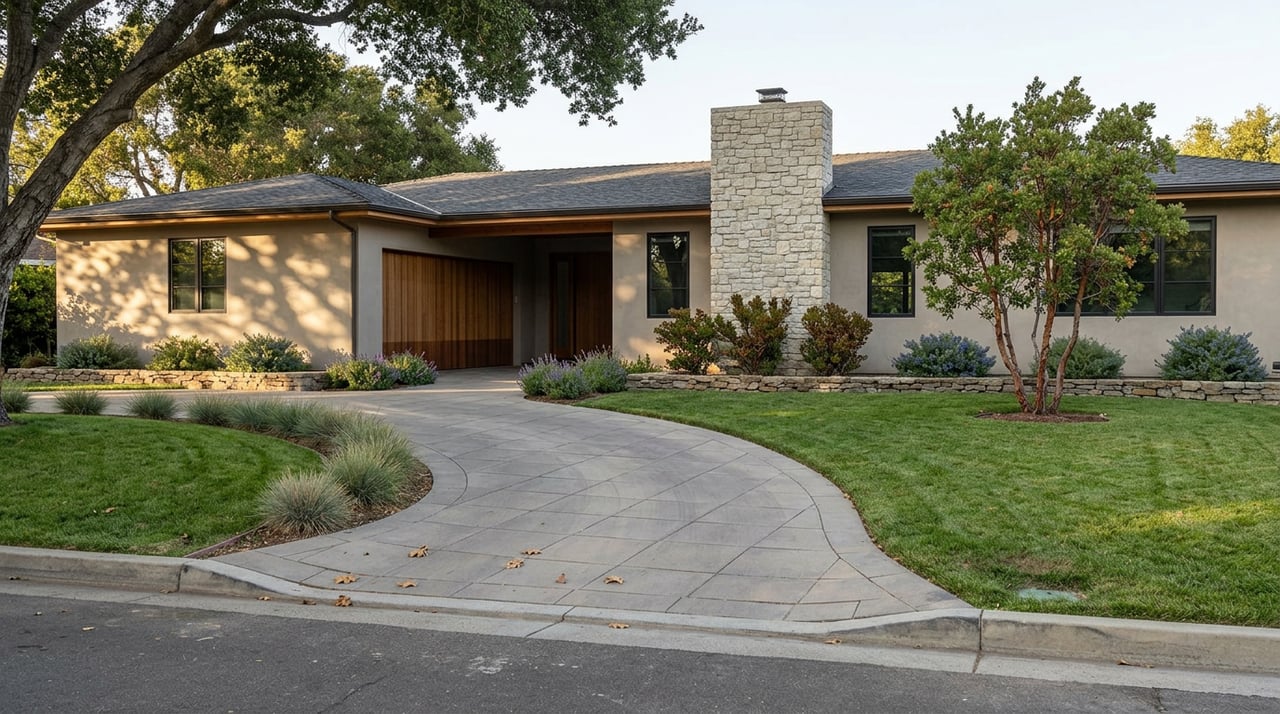
Thinking about selling your Lafayette home but unsure when to hit the market? Timing matters here more than you might think. With local demand shaped by school calendars, commute access and limited inventory, your launch month can influence days on market and final price. In this guide, you will learn the best seasonal windows, what days-on-market patterns usually look like, and a step-by-step prep timeline to go live with confidence. Let’s dive in.
Lafayette market timing at a glance
Lafayette sits within Lamorinda, a cluster of primarily owner-occupied single-family homes with convenient access to BART and highways. Many buyers prioritize neighborhood life and commute options, and the area is served by the Acalanes Union High School District. These factors contribute to steady buyer interest in move-in-ready homes.
Compared with the broader Bay Area, Lafayette often has lower inventory and shorter selling timelines when demand is solid. Limited supply means a well-prepared listing can stand out in almost any season if it is priced correctly.
Peak windows to list in Lafayette
Spring to early summer
Across Contra Costa and the Bay Area, buyer and seller activity typically peaks from March through June. Late spring often brings the most showings and the strongest competition. In many years, homes that present well and are priced right move the fastest in this window.
Summer nuance
Early summer can remain active, especially for buyers aiming to move before the new school year. Activity can ease later in summer as travel picks up, but Lafayette’s family-driven demand often keeps the market steady for homes that are ready and show well.
Early fall window
September and October typically bring a second, smaller wave of activity. Some buyers who paused in spring return, and relocations tied to work often surface. Competition is usually softer than spring, but stronger than winter.
Late fall and winter
From November through February, both listings and buyer traffic usually slow. Days on market often lengthen, and buyers may have more negotiating room. Serious buyers still shop in this period, so a well-priced listing can sell, though it may take longer.
What DOM patterns tell you
Days on market is a useful way to compare seasons. In winter, DOM tends to be the highest. It usually falls in March and April, then reaches the lowest levels in May and June. Even in slower years, those months usually beat winter from a speed perspective.
In active years with limited inventory, many Lafayette single-family homes that are well priced sell in low double-digit days, often under 30 days. In cooler years, DOM rises across the board, but spring and early summer typically remain the faster period. For precise, current month-by-month DOM in Lafayette, ask your agent for the latest Bay East or Contra Costa Association reports.
Who your buyer is and why timing matters
Family buyers and school calendars
Many Lafayette buyers plan around the school year. Listings that go live in spring can close in early summer, which aligns with typical move schedules. If your home fits family needs, this timing can concentrate demand.
Commuters and relocations
Professional commuters watch commute times and BART access and shop year-round. Job-related moves often cluster in summer and early fall, which can boost activity outside the spring peak.
Investors and downsizers
These buyers are usually less tied to the calendar. Investors may hunt for opportunity in slower months, and some downsizers prefer off-peak periods to avoid crowds.
Choose a launch date with rates and inventory in mind
Mortgage rates influence affordability and urgency. Falling rates can enlarge the buyer pool and shorten DOM. Rising rates can slow activity and make pricing precision essential.
Inventory levels also shape strategy. When supply is tight, well-prepared listings can move quickly, even off-peak. When more homes are available, lean into presentation, pricing discipline and targeted marketing to stand out.
Backward timeline: 12-week plan
Use this condensed plan if you are 3 months from launch. Adjust for your home’s condition and schedule.
Week 12
- Meet 1 to 2 local agents for pricing and readiness guidance. Choose your target launch window and buyer profile.
- If bigger work is possible, request contractor estimates and set a budget.
- Start decluttering and a deep clean. Gather permits, receipts and key property documents.
Weeks 10 to 8
- Complete repairs and cosmetic updates such as paint, landscaping, or light kitchen and bath refreshes. Schedule contractors now to account for lead times.
- If flooring, counters or exterior work are planned, allow 2 to 6 weeks depending on scope.
Weeks 7 to 5
- Consider a pre-list home inspection and a pest inspection to surface issues early.
- Begin disclosures. In California, prepare your Transfer Disclosure Statement, Natural Hazard Disclosure and any local forms with your agent.
Weeks 4 to 3
- Finalize staging plan. Arrange furniture rental if needed.
- Book professional photography, video and a 3D tour to capture the staged look.
Week 2
- Complete final cleaning and yard touch-ups. Confirm pricing, showing rules and launch day details.
Week 1
- Shoot photos and video 1 to 3 days before going live.
- Activate the listing on the MLS and syndication. Schedule open houses for the first weekend.
Need 6 months? Expanded plan
Months 6 to 5
- Select your agent, vet contractors and lock bids for larger projects. If permits are required, start now to avoid delays.
- If you are considering a major remodel, plan for longer timelines and inspection sign-offs.
Months 4 to 3
- Wrap major work and obtain final approvals as needed. Line up quotes for minor touch-ups and staging.
Months 2 to 1
- Follow the 12-week plan for inspections, disclosures, staging and marketing assets.
Pricing strategy by season
Spring to early summer
- Expect the largest buyer pool. A confident but realistic price can encourage multiple offers. Avoid overpricing in a high-traffic period.
Late summer to early fall
- Use recent spring comps carefully. Price to the market you are in, and highlight timing advantages such as move-in before the holidays or updated landscaping.
Winter
- Anticipate a smaller pool and longer DOM. Consider pricing that reflects lower volume, or offer convenience such as flexible close dates or credits to motivated buyers.
Rate environment
- Align price bands with current affordability. If rates rise, buyers often shift to lower price brackets.
Pro tips to maximize your window
Prioritize presentation
- Fresh paint, curb appeal and staging help buyers picture living in your home.
Front-load disclosures
- Preparing disclosures and optional pre-inspections can reduce surprises and make offers stronger.
Launch with complete marketing
- Professional photos, video and a clear showing plan set the tone. The first two weekends often deliver the most traffic.
Monitor the month-by-month data
- Ask for current Lafayette stats on DOM, list-to-sale price ratios and inventory to refine your launch date.
Ready to time your sale?
If you are aiming for top results, align your launch with the right season and present a move-in-ready home. With smart preparation and a clear plan, you can capture strong demand in Lafayette and reduce time on market. If you would like a customized timeline, vendor recommendations and a pricing strategy for your address, connect with the Rita Dhillon Team.
FAQs
What is the best month to list in Lafayette?
- Late spring through early summer, especially April to June, typically delivers the most buyer traffic and the shortest days on market compared with other seasons.
How long does it take to sell a Lafayette home by season?
- Winter often sees the longest DOM, spring and early summer the shortest, and early fall usually lands in the middle. Exact timing varies by year, rates and inventory.
How should school calendars affect my listing date in Lafayette?
- If your likely buyer is a family, a spring launch that closes in early to mid-summer can align with move schedules and may boost showings.
What if mortgage rates change right before I list in Lafayette?
- Recheck buyer affordability and price bands. If rates rise, tighten pricing and emphasize value. If they fall, be ready for faster activity.
Do I need a pre-list inspection to sell in Lafayette?
- It is optional but helpful. Pre-inspections can uncover issues early, allow repairs on your schedule and support cleaner offers once you go live.